Pick from our related articles...


You can find us on
Keep yourself up to date with Let's Recycle It latest news
Groundbreaking Tyre Recycling Facility Approved in Scotland
The Scottish Government has recently approved a landmark tyre recycling facility in Linwood, Renfrewshire, heralding a new chapter in the country’s transition towards a circular economy. Operated by Glasgow-based SSH Recycling, this pioneering facility is the first of its kind in the United Kingdom, offering a sustainable solution to a significant environmental challenge: waste tyres.
The approval of this project not only underscores Scotland’s leadership in sustainable resource management but also highlights the role of innovation in addressing pressing environmental issues. With construction scheduled to begin in 2025 and operations expected by 2027, the facility is set to reshape how waste tyres are treated, turning a long-standing environmental burden into a source of value for industry and society alike.
A Facility with Far-Reaching Benefits
The Linwood facility represents a decisive step forward in how waste tyres are processed and repurposed. Designed to handle up to 100,000 tonnes of waste tyres annually, the plant will ensure that every component of a tyre—materials that have long been difficult to recycle—finds a renewed purpose. By reclaiming rubber and other materials, the facility offers alternatives to virgin resources, alleviating the demand for raw materials and reducing environmental strain.
The scale of the project speaks to its importance, both economically and environmentally. With an estimated investment of over £120 million, the facility will contribute significantly to the local economy in Renfrewshire and beyond. Up to 80 jobs are expected to be created, encompassing a mix of skilled scientific roles, apprenticeships, and operational positions. This investment in people as well as infrastructure reflects a broader commitment to sustainable economic growth, one that prioritises both innovation and inclusivity.
A Carbon-Negative Operation
Perhaps most impressive is the facility’s carbon-negative design, which ensures that it does more than simply mitigate environmental harm—it actively reduces carbon emissions. An on-site energy system, powered initially by green gas and with future plans to incorporate green hydrogen, will supply low-carbon energy to the plant. This forward-looking approach positions the facility as a model of how industrial processes can integrate renewable energy solutions to minimise their impact on the environment.
The carbon-negative ambition aligns seamlessly with Scotland’s broader environmental objectives. As the nation continues to pursue bold targets for net-zero emissions, facilities such as this one play a pivotal role in demonstrating what is achievable when environmental responsibility and technological ingenuity converge.
A Step Forward for the Circular Economy
The Linwood facility embodies the principles of the circular economy: eliminating waste, reusing resources, and reducing dependency on virgin materials. Waste tyres, once a major contributor to landfill pressures and environmental degradation, will now be transformed into valuable materials that support industries ranging from tyre manufacturing to construction.
The substitution of recycled rubber for virgin resources is particularly significant. Tyre production, like many industrial processes, relies heavily on raw materials that are energy-intensive to extract and process. By offering a viable alternative, this facility will reduce both resource extraction and the emissions associated with it. In doing so, it provides a clear example of how circular economy principles can deliver tangible benefits across multiple sectors.
Beyond its immediate outputs, the project is also notable for its design, which takes local environmental conditions into account. The incorporation of flood-resilient infrastructure demonstrates sensitivity to the site’s geography while reflecting a broader commitment to sustainable planning. This attention to detail ensures that the facility will not only deliver environmental benefits but do so in a way that respects the local landscape and community.
Scotland’s Vision for Sustainability
The approval of this facility is a timely reminder of Scotland’s leadership in environmental policy and sustainable development. It also signals a growing recognition of the role that targeted investment, supported by government and industry, plays in addressing complex environmental challenges.
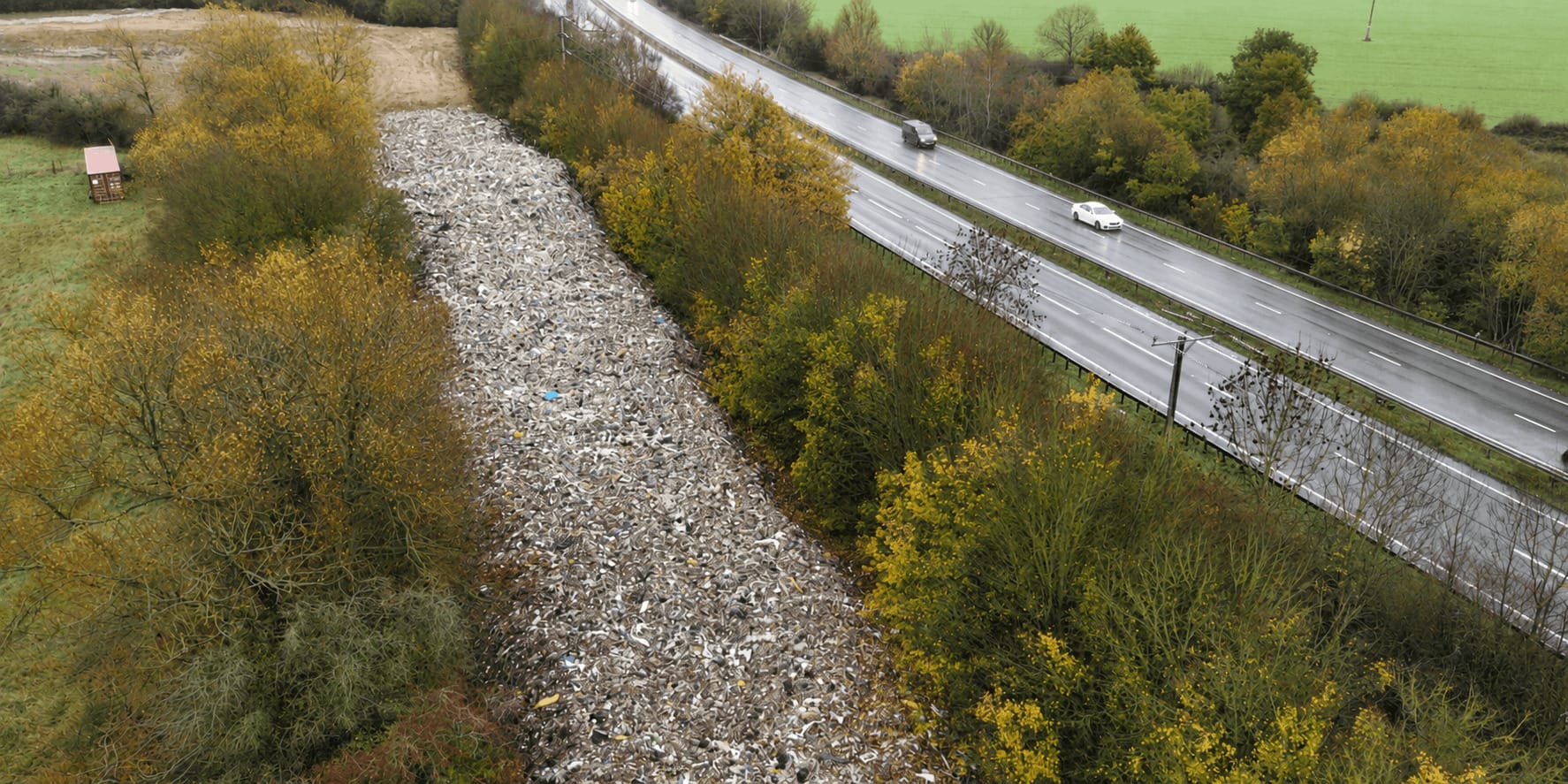
Waste tyres are emblematic of the difficulties involved in managing post-consumer waste. Too often, they have been stockpiled, incinerated, or disposed of in ways that cause harm to ecosystems and communities. This facility provides a template for moving beyond such outdated practices, offering a solution that not only addresses the problem but does so in a manner that brings economic and environmental value.
The Scottish Government’s decision to approve this project reflects the kind of pragmatic leadership that is essential for achieving a sustainable future. By supporting initiatives that prioritise resource recovery, emissions reduction, and local economic benefits, Scotland continues to set an example for others to follow.
Let’s Recycle It’s Perspective
At Let’s Recycle It, we welcome the development of this pioneering tyre recycling facility with both enthusiasm and optimism. As a company committed to advancing responsible recycling across the UK and Europe, we see this project as an important milestone in the journey towards a more sustainable and resource-efficient future.
Recycling has long been one of the most effective tools for reducing waste and minimising environmental harm. Projects such as the Linwood facility demonstrate how innovation and collaboration can turn seemingly insurmountable challenges into opportunities for progress. By transforming waste tyres into valuable materials, the plant will not only reduce the burden on landfills but also contribute to the broader goal of lowering carbon emissions.
We are particularly encouraged by the facility’s alignment with circular economy principles. At Let’s Recycle It, we believe that waste is a resource waiting to be recovered, and the success of this project affirms that belief. Its carbon-negative operations, reliance on low-carbon energy, and focus on resource recovery exemplify the kind of forward-thinking solutions that are urgently needed.
However, such progress is not achieved in isolation. It requires a supportive framework of environmental legislation, government backing, and industry commitment. Scotland’s approval of this facility is a clear example of what can be achieved when all three elements align. As advocates for sustainable resource management, we hope to see more projects of this calibre across the UK and Europe, driving progress towards a cleaner, more resilient future.
At Let’s Recycle It, we remain committed to playing our part. Whether through the recovery of plastics or other materials, we will continue to work with partners and policymakers to support initiatives that protect the environment, create economic opportunities, and contribute to the transition to a circular economy.
The Linwood tyre recycling facility is a testament to the potential of innovation and collaboration in addressing environmental challenges. By transforming waste into resources, reducing carbon emissions, and creating local jobs, it sets a new standard for sustainable resource management. Scotland’s leadership in supporting such projects serves as a model for how governments, industries, and communities can work together to deliver meaningful progress.
The journey towards a circular economy is one of collective effort, and the approval of this facility is a significant step along the way.
Follow us to stay up to date on our latest news
If you would like to receive our newsletter to keep up to date with Let’s Recycle It news and to receive marketing information regarding our services, please let us know: